Similar Posts
Decoding Attachment: The Surprising Ways Early Experiences Shape Our Stress Response
Decoding Attachment: The Surprising Ways Early Experiences Shape Our Stress Response As counsellors and psychotherapists, we witness firsthand how early attachment experiences leave lasting imprints on the mind and body. But what if we told our clients that these early relationships literally shape their brain’s wiring—especially when it comes to stress? Understanding the neuroscience of…
Behaviour Is Never the Problem: It’s the Clue
There’s a moment many counsellors recognise, even if we don’t always say it out loud. A client does the thing again. And somewhere inside us – usually quietly, a thought flickers: Why does this keep happening? It’s often at this point that behaviour starts to feel like the problem. We might dress it up in…
When Daughters become Mothers – The Attachment Story Behind the Pram
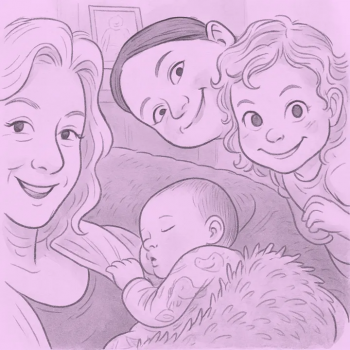
When Daughters Become Mothers: The Attachment Story Behind the Pram When a daughter becomes a mother, it isn’t just a change in role, it’s a seismic shift in the heart, the mind, and often the sense of self. It’s a chapter where the past, present, and future meet in the smallest of bundles. Recently, I…
Renew & Reconnect: A Couples Retreat for Deepening Love, Healing Patterns & Strengthening Connection
Everything in life comes back to relationships — how we relate to others, the world around us, and, most importantly, ourselves. And in our most intimate relationships, the places where we feel most loved are often the same places where our deepest triggers show up. It’s why so many couples reach a point where they…
Myth: Attachment-based therapy is too abstract to apply to real-world problems. The truth: Neuroscience helps therapists turn attachment concepts
Attachment-Based Therapy Isn’t “Too Abstract”—Here’s How Neuroscience Makes It Practical If you’ve ever dismissed attachment-based therapy as too abstract or “theoretical,” you’re not alone. It’s easy to feel that way when terms like secure attachment, internal working models, or attachment styles are thrown around in ways that sound more academic than actionable. But here’s the…
This is just how I’ve always reacted
It’s a common phrase in therapy—but it’s not the truth. Stress responses aren’t fixed traits. They’re learned patterns shaped by early attachment—and they can be rewired through relational healing