Similar Posts
Isn’t attachment just about relationships?
Attachment isn’t just about relationships—it shapes how we regulate stress and emotions. This article explores how early relational experiences wire our nervous system and why co-regulation in therapy is key to healing affect dysregulation
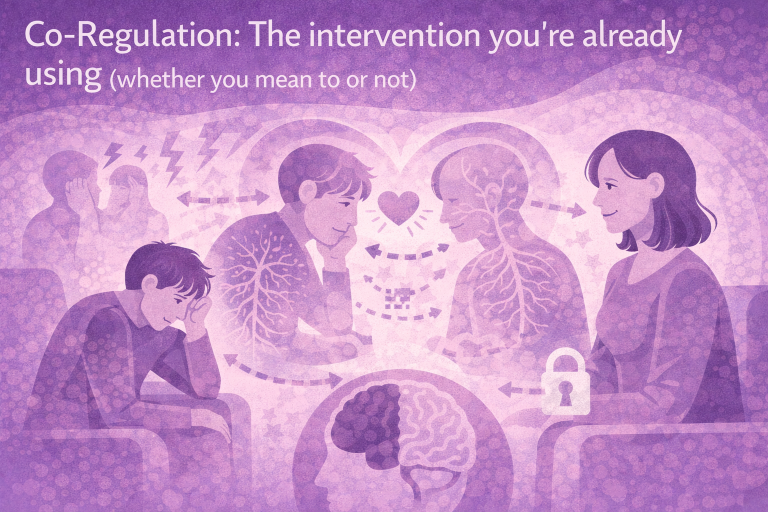
Co-Regulation: The Intervention You’re Already Using
(Whether You Mean To or Not) Most therapists don’t remember being taught about co-regulation. And yet, if you sit with clients day after day, you are using it constantly. Often without naming it.Often without planning it.Sometimes without realising how powerful it is. Co-regulation isn’t a technique you “apply”. It’s something that happens between nervous systems…
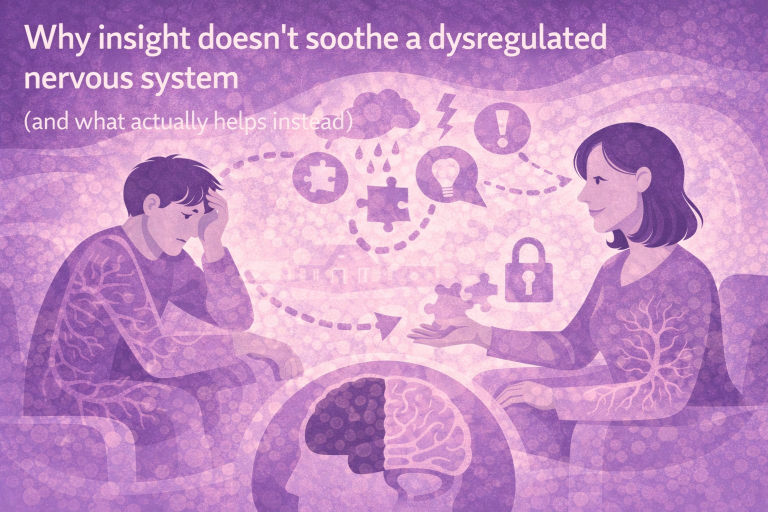
Why Insight Doesn’t Soothe a Dysregulated Nervous System
(And What Actually Helps Instead) There’s a familiar experience many counsellors share – often with a hint of frustration they feel they shouldn’t admit. The client understands. They can name the pattern.They can trace it back to childhood.They can explain exactly why they react the way they do. And yet… nothing changes. The same anxiety…
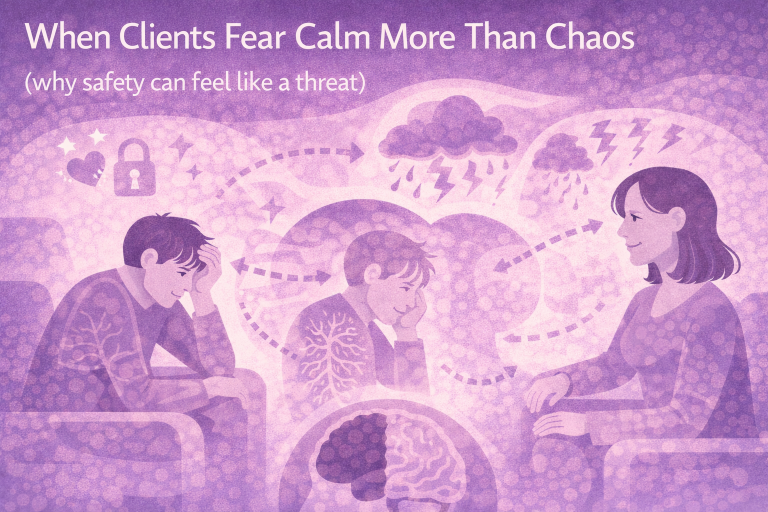
When Clients Fear Calm More Than Chaos
(Why Safety Can Feel Like a Threat) There’s a moment in therapy that can quietly unsettle even experienced counsellors. The work has been steady.The client feels more regulated.Sessions are calmer.There’s less crisis, less urgency. And then – something shifts. The client becomes anxious again.They create conflict.They miss a session.They suddenly question the therapy itself. It…