Similar Posts
Myth: Attachment-based therapy is too abstract to apply to real-world problems. The truth: Neuroscience helps therapists turn attachment concepts
Attachment-Based Therapy Isn’t “Too Abstract”—Here’s How Neuroscience Makes It Practical If you’ve ever dismissed attachment-based therapy as too abstract or “theoretical,” you’re not alone. It’s easy to feel that way when terms like secure attachment, internal working models, or attachment styles are thrown around in ways that sound more academic than actionable. But here’s the…
This Is Not Just a Request for Attention. This Is a Protest Against Disconnection: A Therapeutic Reframe from David Wallin
What if “attention-seeking” is actually a protest against disconnection? Explore David Wallin’s powerful reframe of client behavior through the lens of attachment theory—and how it can transform your therapeutic presence
When Daughters become Mothers – The Attachment Story Behind the Pram
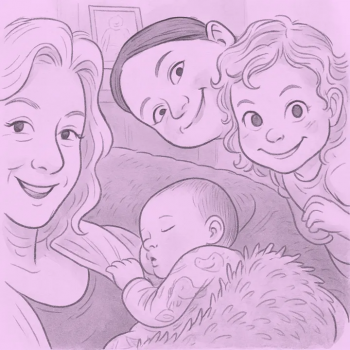
When Daughters Become Mothers: The Attachment Story Behind the Pram When a daughter becomes a mother, it isn’t just a change in role, it’s a seismic shift in the heart, the mind, and often the sense of self. It’s a chapter where the past, present, and future meet in the smallest of bundles. Recently, I…
Behaviour Is Never the Problem: It’s the Clue
There’s a moment many counsellors recognise, even if we don’t always say it out loud. A client does the thing again. And somewhere inside us – usually quietly, a thought flickers: Why does this keep happening? It’s often at this point that behaviour starts to feel like the problem. We might dress it up in…
The Truth About Avoidant Attachment: Why Distance Doesn’t Mean Disinterest
The Truth About Avoidant Attachment: Why Distance Doesn’t Mean Disinterest One of the most common misconceptions about avoidantly attached individuals is that they are emotionally detached and uninterested in connection. This assumption can lead to frustration, misunderstandings, and even a communication breakdown. We see this frequently in couples therapy. The Myth: Avoidant Clients Are Emotionally…
“I Don’t Do Inner Child Work”
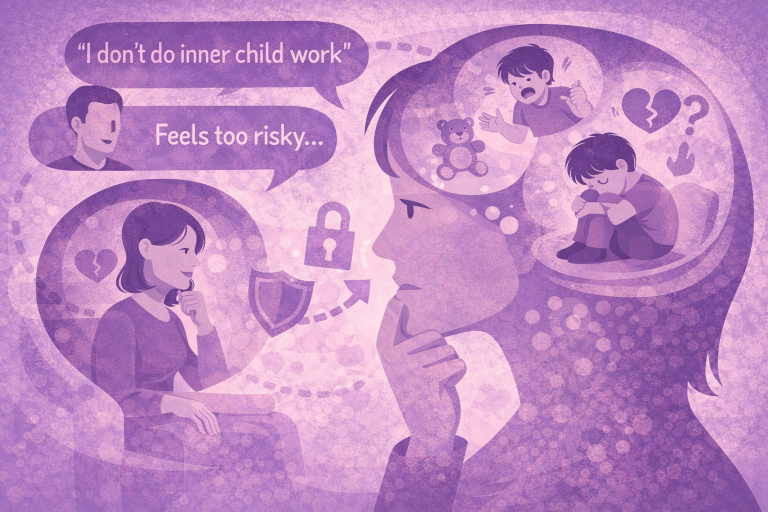
(What Might That Be Protecting?) Many counsellors say it – sometimes confidently, sometimes cautiously: “I don’t really do inner child work.” It’s often followed by a rationale: These concerns are understandable. Inner child work has, at times, been poorly taught, loosely defined, or practiced without enough containment. And yet, from an attachment-informed perspective, it’s worth…