Similar Posts
There’s No Such Thing as Naughty: Attachment and the Misunderstood Child
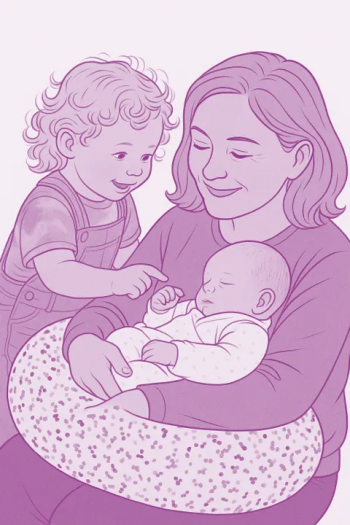
Recently, I’ve been watching my little angel, aka sausage, my two-year-old granddaughter, navigate the enormous transition of becoming a big sister. It’s been a front-row seat to the sibling dance: the tug-of-war between love and curiosity, excitement and jealousy, all wrapped in a tiny body with even tinier words to express it. There have been…
Why A Renew and Reconnect Couples Retreat Works Better Than You Think
When most people hear the words “couples retreat,” they imagine something halfway between a spa break and a reality show — scented candles, a bit of yoga, possibly some awkward confession circles, and someone weeping into a herbal tea. What happens at a couples retreat? But the reality of a couple’s therapy retreat is something…
There Is Always a Child in the Room
(Even When the Client Is 58) At some point in attachment-informed practice, many counsellors have a quiet realisation. The client sitting in front of us may be an adult – articulate, capable, reflective – and yet something else is present too. A fear that feels too big.A longing that feels strangely young.A reaction that seems…